Across the Sahara: Morocco's African roads
For a thousand years the caravans tied Morocco to West Africa: gold, salt and books travelled the desert, and so did people, faith and music. The Gnawa are their living memory.
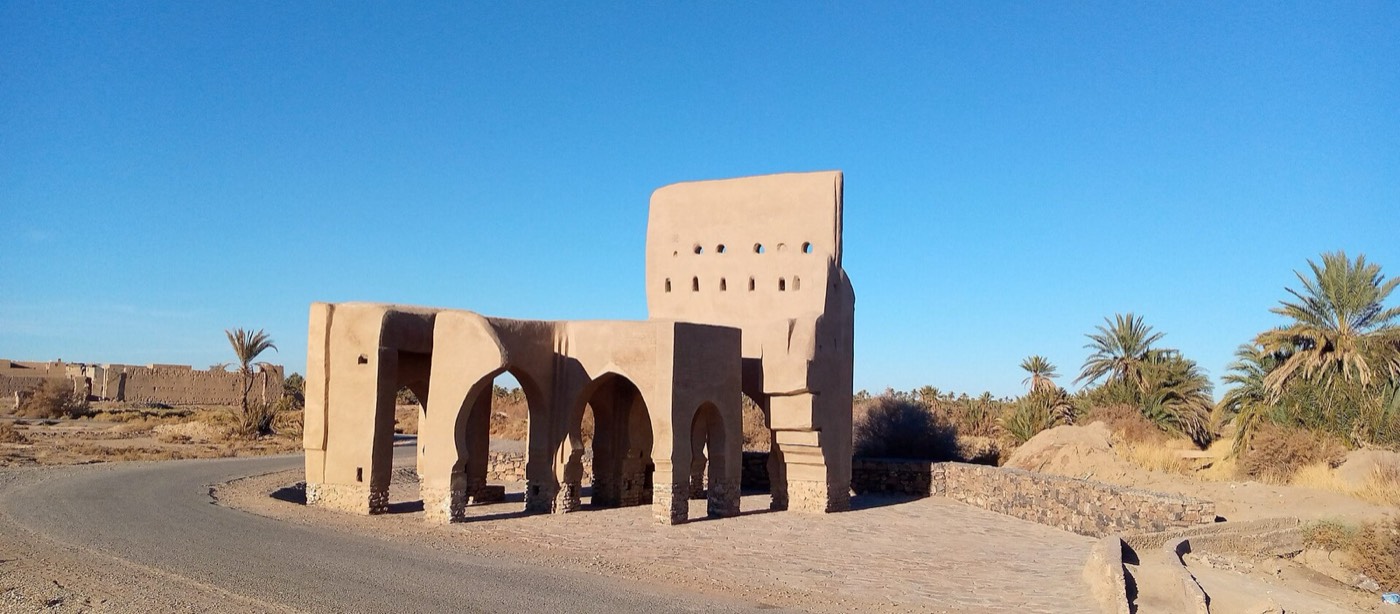
Sijilmasa, founded in 757 in the Tafilalt, was for centuries the northern gateway of the trans-Saharan trade: caravans left for the gold lands of West Africa and came back with gold, ivory and enslaved people. Its ruins lie beside Rissani, near Merzouga. Marrakech, Fes and Timbuktu were linked by the same roads, and scholars travelled them too.
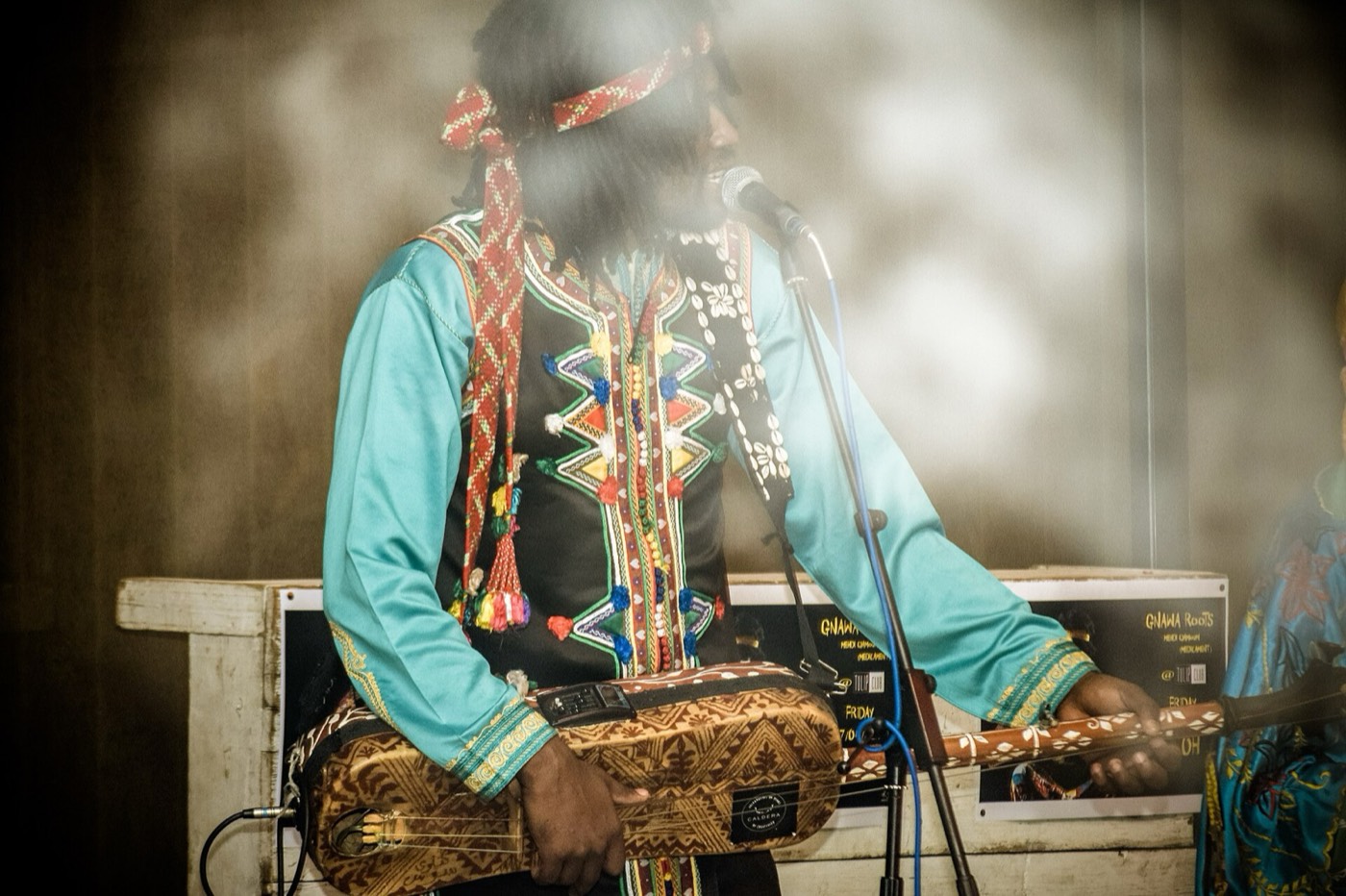
The Gnawa descend in large part from West Africans brought north across the desert. Their music, with the guembri lute and iron castanets, the qraqeb, was a healing ritual, the lila, before it reached festival stages. UNESCO added Gnawa to the intangible heritage of humanity in 2019, and each June Essaouira holds the Gnaoua World Music Festival.
The constitution names the Saharan-Hassani culture as one of the founding parts of the nation: the Hassaniya Arabic, the poetry, the tents and the camel markets of the south. The Moussem of Tan-Tan, a yearly gathering of the nomadic peoples of the Sahara, is on UNESCO's intangible list.
Where to see it today
- SijilmasaRissani, Tafilalt
Low earthen ruins by the town; a local guide helps you read them. Rissani's market is the old caravan town's heart.
- Gnaoua World Music FestivalEssaouira, June
Free stages on the squares and lila nights in the zaouias.
- Gnawa in MarrakechJemaa el-Fnaa
Musicians play on the square every evening; the square itself is on UNESCO's intangible list.
- KhamliaNear Merzouga
A village of Gnawa families who play for visitors.
- Moussem of Tan-TanTan-Tan, the south
The gathering of the Saharan peoples; dates change each year.
Opening hours and tickets change; we list them only where an official source states them. Ask at your riad the day before.
One route that strings it together
- Marrakech
Gnawa on Jemaa el-Fnaa at nightfall.
- Over the Atlas to the Draa
The caravan road past Aït Benhaddou and Zagora.
- Merzouga and Rissani
Sijilmasa, the Rissani market and Gnawa music in Khamlia.
- Essaouira
If you can, in June, for the festival.
What visitors say
- At the Gnaoua festival, a writer found the night lila ceremonies, away from the main stages, the most spiritual part. OkayAfrica
Sources, checked 2026-11-14
- Britannica, Sijilmassa
- UNESCO Intangible Cultural Heritage, Gnawa (2019)
- Gnaoua World Music Festival, Essaouira
- UNESCO Intangible Cultural Heritage, Cultural space of Jemaa el-Fna Square
- UNESCO Intangible Cultural Heritage, Moussem of Tan-Tan
- Constitution of Morocco, 2011, English translation (Constitute Project)
The other layers
Say yes to the trip
Tell us your email and we'll write when the Wakha app is ready: offline, every city, every answer.